How Harvested?
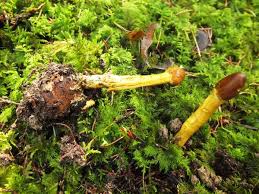
Habitat Identification
Cordyceps are naturally found in the high-altitude regions of the Himalayan mountains, typically between 3,500 to 5,000 meters above sea level. Expert harvesters identify the specific areas where cordyceps thrive, which are usually rocky slopes and alpine meadows in pristine, undisturbed environments.
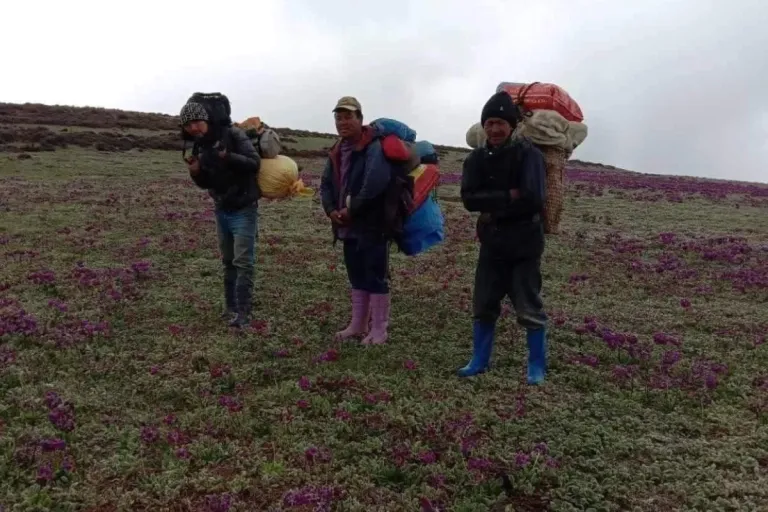
Manual Collection
Experienced harvesters manually dig out cordyceps using small tools to carefully extract them from the soil without damaging the precious fungus. This labor-intensive process requires great skill and patience, as harvesters must locate the tiny cordyceps and extract them whole to preserve their medicinal properties.
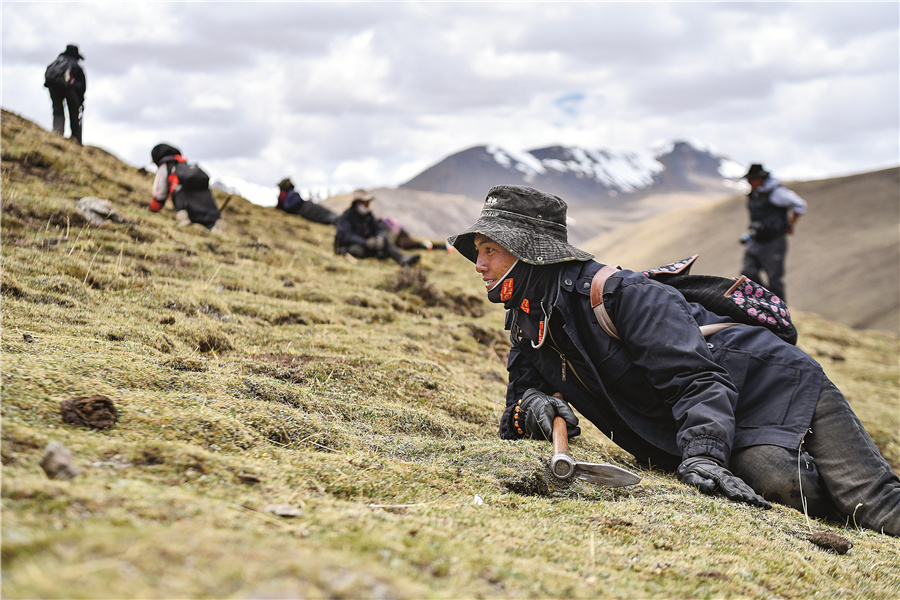
Seasonal Harvesting
Cordyceps are harvested during spring (May to June) when they emerge from the soil after the winter season. This is the optimal time for collection as the cordyceps have reached their full maturity and contain maximum nutritional value. Harvesters wait for the perfect weather conditions and timing.
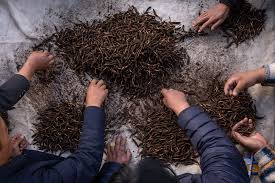
Cleaning Process
After collection, the cordyceps are carefully cleaned to remove soil, grass, and other debris. This is done gently using soft brushes or by hand to avoid damage. The cordyceps are then rinsed with clean water and dried thoroughly to prevent contamination and ensure long-term preservation.
Drying & Preservation
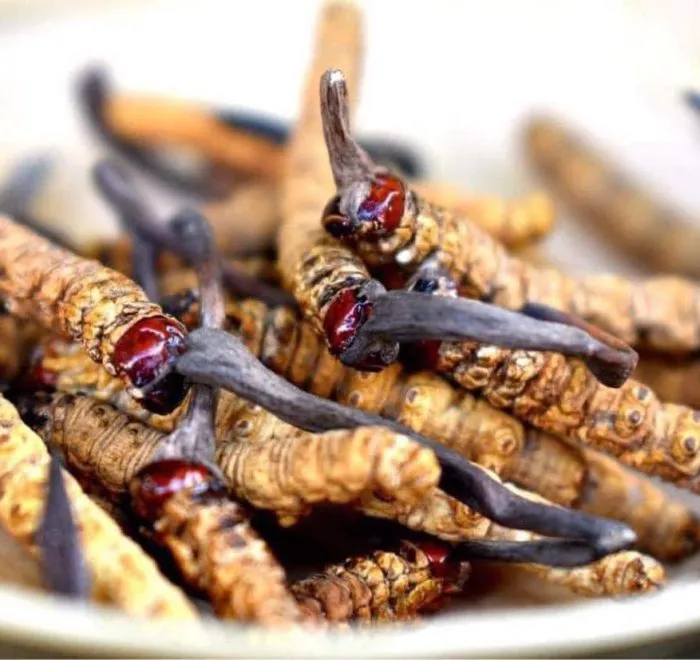
The cleaned cordyceps are dried slowly under natural sunlight or in controlled drying facilities to reduce moisture content. This process typically takes several days and is crucial for preservation. Once completely dry, cordyceps become light and brittle, with a distinctive appearance and potent medicinal properties.
Quality Grading
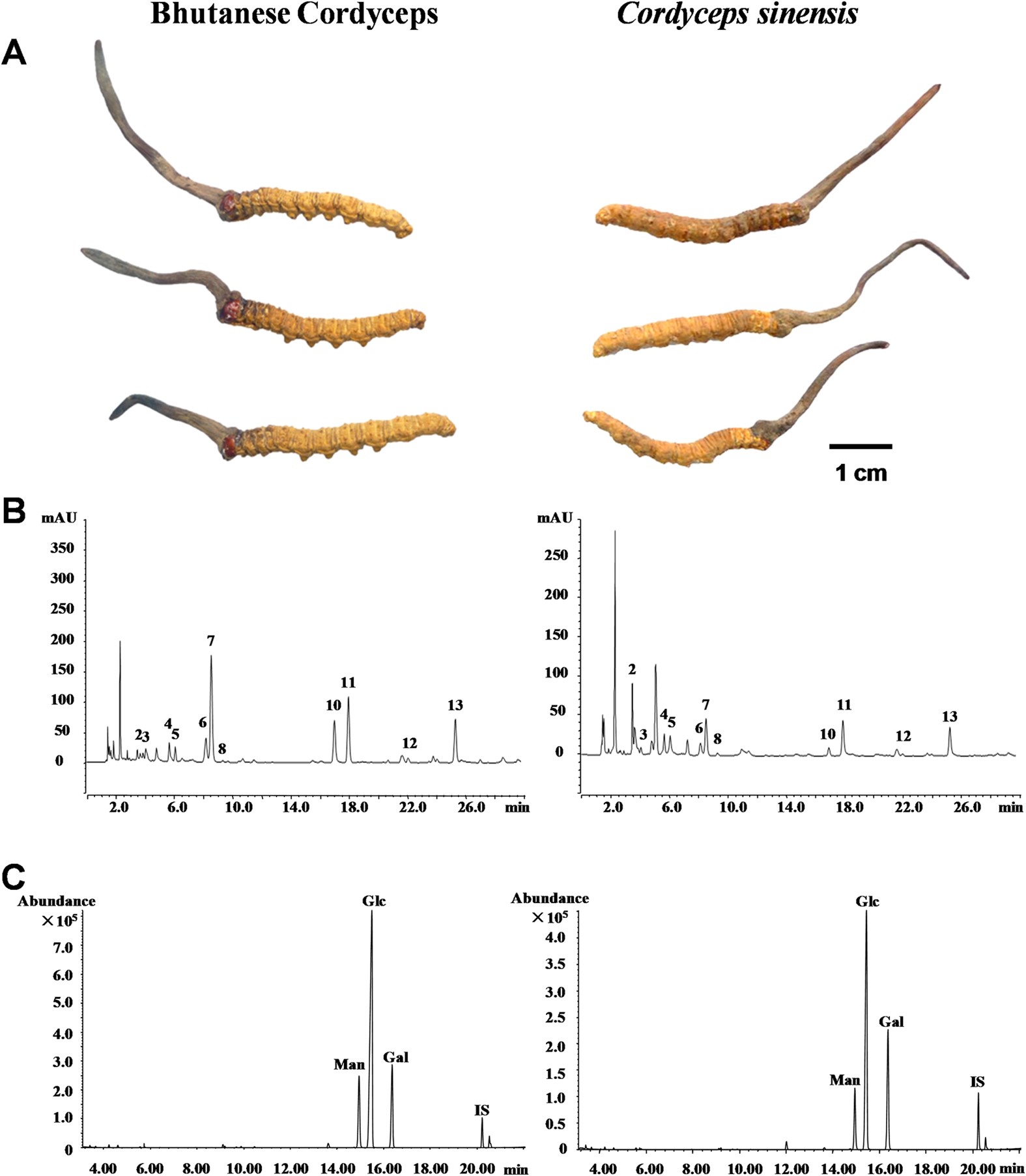
After drying, cordyceps are graded based on size, color, and overall quality. Premium grade cordyceps are larger, have a dark brown color, and are completely intact. They are then sorted and packaged according to international quality standards for distribution and sale.